Slot machines may appear simple, but every spin is governed by a complex mathematical model. One of the most important elements of that model is volatility, which determines how a slot behaves during real gameplay rather than just how much it pays back in theory. Many players focus on jackpots, yet volatility is what truly defines the experience. It explains why some slots deliver frequent small wins while others can go quiet for long periods before producing a large payout. Understanding volatility helps players choose games that align with their bankroll, expectations, and tolerance for risk.
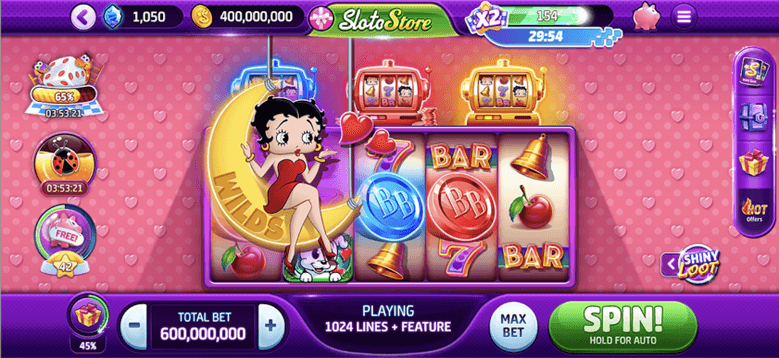
A good practical example of how volatility affects real gameplay can be seen in Slotomania. Our free-to-play slot game platform offers a wide range of slot titles with different volatility levels, allowing players to experience how payout patterns change depending on the game.

Explaining Volatility in Slot Machines
Volatility, also known as variance, describes how a slot distributes its payouts over time. Specifically, it measures the relationship between how often wins occur and how large those wins tend to be.
Slots with low volatility deliver many small, regular payouts, creating a steady and predictable experience. High volatility slots, on the other hand, concentrate most of their payout potential into fewer but much larger wins, which makes gameplay more erratic and unpredictable. This characteristic doesn’t make a slot more or less fair – overall fairness is determined by its long‑term expected return – but it significantly affects short‑term outcomes and how risky a game feels.
A helpful comparison is income types: a fixed monthly salary resembles low volatility, while commission-based earnings resemble high volatility. Both can add up to the same yearly income, yet the experience of receiving that income is very different.
Volatility vs Hit Frequency
Volatility is often confused with hit frequency, but the two are not the same. Hit frequency refers to how often a slot produces any winning spin, even if the payout is very small.
A slot can have a high hit frequency and still be high volatility if most wins are tiny and the real value is locked behind rare bonus rounds. Understanding this distinction helps players avoid false assumptions about how “generous” a slot really is.
Many Slotomania slots illustrate the difference between hit frequency and volatility very clearly. Some games show frequent small wins during base gameplay, while most of the real value is concentrated in rare bonus rounds or multipliers, which is typical of higher volatility designs.
How Slot Volatility Affects Gameplay and Payouts
Volatility shapes the rhythm of a slot session. It affects how long your bankroll lasts, how often you experience wins, and how emotionally intense the gameplay feels.
Low volatility slots tend to provide steady balance movement and frequent feedback, making sessions feel smoother and less stressful. High volatility slots often involve long losing streaks followed by occasional high-impact wins, creating a more dramatic experience.
Is Slot Volatility Predictive?
Slot volatility is fixed within the game’s design, but it is also statistical rather than predictive. Volatility ratings are based on large numbers of spins and describe long-term behavior, not guaranteed short-term outcomes.
A high volatility slot can pay out early, and a low volatility slot can still go cold. Individual sessions may vary, but over time the slot’s behavior will align with its volatility level.
Low Volatility Slots
Low volatility slots are designed around consistency. They deliver frequent wins, but most payouts are relatively small, resulting in slower balance fluctuations.
These games are well-suited to beginners, casual players, and anyone playing with a limited bankroll. They are also popular for bonus wagering, as steady wins help meet wagering requirements without sharp drawdowns.
The downside is limited upside potential. Large wins are rare, and maximum payouts are typically much lower than in high volatility slots.
Classic slot themes, simple paylines, and minimal bonus mechanics are common in low volatility games. Their design prioritizes stability over excitement.
Medium Volatility Slots
Medium volatility slots strike a balance between risk and reward. They offer reasonably frequent wins alongside the potential for meaningful payouts.
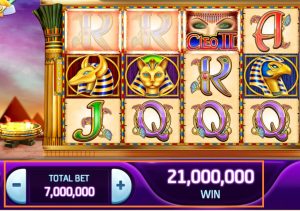
Losing streaks are usually manageable, while bonus rounds still provide noticeable impact. Because of this balance, medium volatility slots are among the most popular choices and are often recommended for players unsure which volatility level suits them best.
High Volatility Slots
High volatility slots are built for players who accept risk in exchange for the chance of large wins. These games may produce long dry spells, but payouts can be substantial when they finally hit. They often feature complex bonus rounds, large multipliers, cascading reels, or jackpot mechanics.
High volatility slots require patience and disciplined bankroll management. Extended losing streaks are a normal part of gameplay, not a sign that the slot is malfunctioning.
Progressive Jackpots and Volatility
Progressive jackpot slots are almost always high volatility. As a result, base game wins are often smaller or less frequent, and long losing streaks are common. Players chasing jackpots should expect high risk and plan their bankroll accordingly.
High Volatility vs Low Volatility Slots
The difference between high volatility and low volatility slots comes down to risk distribution. Low volatility slots provide frequent, smaller wins and longer sessions, while high volatility slots offer fewer wins but much higher payout potential.
Neither type is objectively better. The right choice depends on whether a player values steady entertainment, balanced gameplay, or the thrill of chasing a big win.
Medium volatility slots sit between these extremes, offering a compromise for players who want variety without committing fully to either end of the spectrum.
On Slotomania, low volatility slots are often designed around classic mechanics and frequent feedback, making them suitable for longer, more relaxed sessions.
Medium volatility games balance steady wins with occasional impactful bonuses, while high volatility Slotomania slots focus on rare but visually dramatic bonus features and large win potential.

Volatility and Bankroll Management
Volatility should always influence bankroll planning. High volatility slots typically require larger bankrolls to withstand losing streaks, while low volatility slots allow smaller budgets to last longer.
Medium volatility slots fall between these extremes, offering a balance of sustainability and excitement. Matching bankroll size to volatility helps reduce frustration and improves overall control.
Slotomania’s free-to-play format makes it easier to observe how volatility impacts bankroll behavior without financial pressure. By playing the same slot over multiple sessions, players can clearly see how balance swings differ between low and high volatility games.
Choosing the Right Slot Volatility for Your Playing Style
Choosing the right volatility starts with understanding your goals. Players who want longer sessions and steady wins usually prefer low volatility slots.
Those seeking excitement and big-win potential may gravitate toward high volatility slots, provided they have the bankroll and patience to handle losing streaks. Medium volatility slots remain a popular middle ground for balanced play.
Adjusting expectations is essential. Volatility changes how wins are delivered, not the long-term odds of winning.
Common Myths About Slot Volatility
High volatility does not mean better odds, and low volatility does not guarantee profits. Volatility also does not change over time or respond to previous spins.
Each spin is independent. Volatility only describes long-term payout patterns, not when the next win will occur.
Conclusion: Why Volatility Matters in Slots
Volatility is one of the most important concepts in slot gameplay. It does not change a slot’s fairness, but it strongly influences how wins and losses unfold in real sessions.
By understanding the differences between low, medium, and high volatility slots, players can make more informed choices. This leads to better bankroll control, more realistic expectations, and a more enjoyable and responsible slot experience.
If you want to see how slot volatility works in practice, Slotomania is a great place to explore different games and experience firsthand low, medium, and high volatility.





 Back to the Content Page